


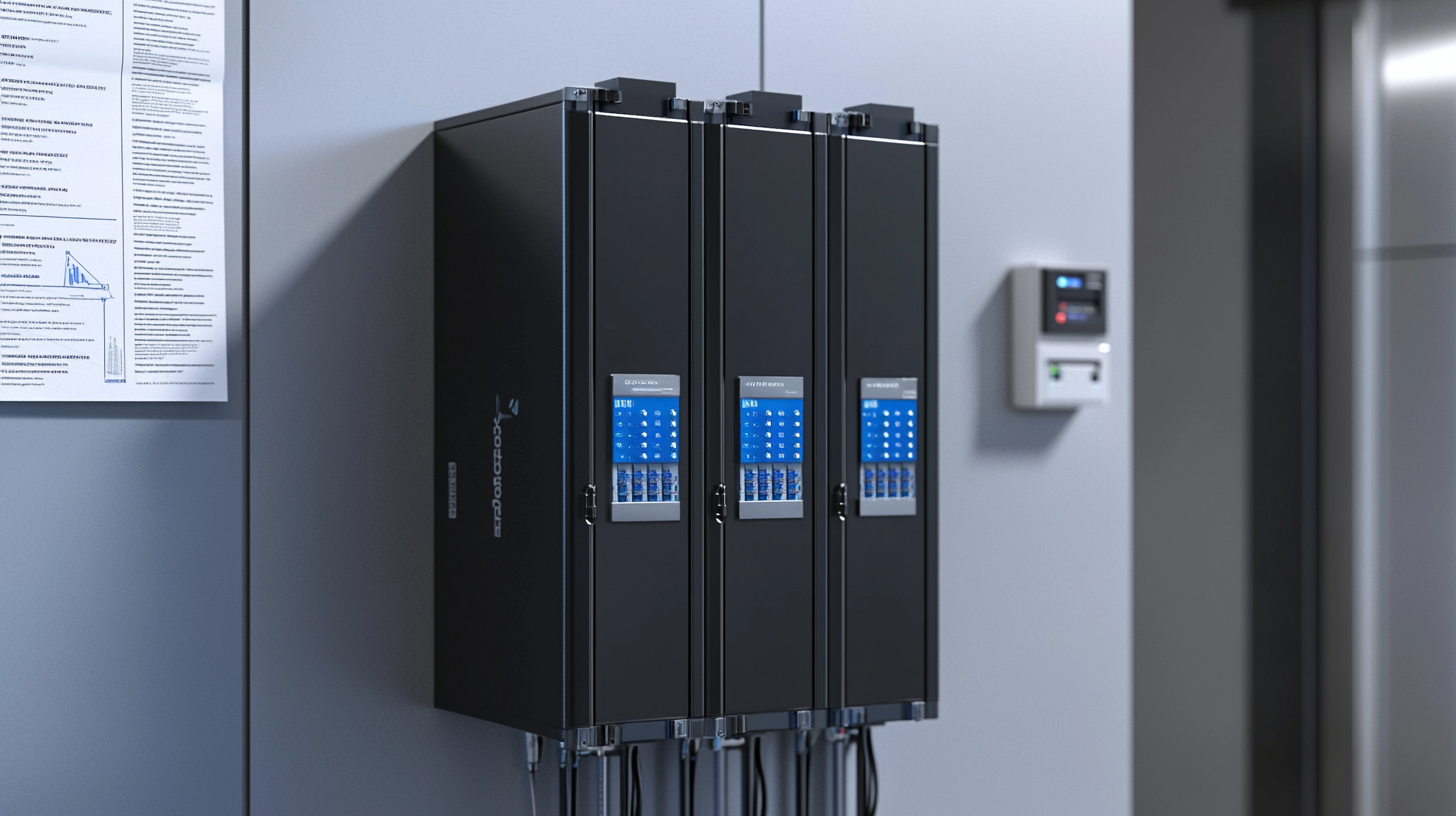
Battery backup system for a lift: how backup power works during a blackout
Battery backup system for a lift helps maintain safe lift operation during a power outage and reduce the risk of passengers becoming trapped.
All Euroformat lifts are equipped with a guaranteed evacuation system – emergency movement of the lift cabin to the nearest floor followed by door opening. The specific solution may vary depending on the lift model, system power, electrical supply configuration and the conditions of the particular building.
What happens to a lift when the power goes out
When a building loses power, a lift cannot continue operating normally without a backup power source. The main risk for users is the lift cabin stopping between floors. In residential buildings, this affects residents’ comfort and safety; in business centres, the continuity of building operations; and in hospitals, accessibility and the movement of people who may have difficulty using stairs.
Backup power should therefore be considered not simply as an optional extra, but as part of the building’s overall engineering strategy. This is particularly important where power outages are frequent or unpredictable.
What backup power solutions are available
Backup power solutions should be selected individually. The first step is to define the main objective: safely move the lift cabin to a floor, open the doors, support short-term operation or integrate the lift into a wider building backup power system.
Battery systems
A battery system is not a universal battery that can be connected to any lift in the same way. It is an engineering solution that must match the specific equipment, drive power, control system, blackout scenario and safety requirements.
For homeowners’ associations, such a system may be important for reducing the risk of residents becoming trapped in the lift cabin. In buildings used by vulnerable groups, such as healthcare facilities, lift backup power can be a critical part of accessibility.
UPS for lifts
A UPS for a lift may be used to support specific functions or short-term operation, but its capabilities depend on the technical parameters of the equipment. It is not possible to specify an accurate backup runtime without calculating the load, power requirements, connection scheme and intended purpose of the system.
A UPS should not be selected on the basis that “bigger is better”. It should be matched to the actual task, such as safely completing a journey, powering the control system, opening the doors or supporting another defined emergency scenario.
Generators
A generator can support a broader range of building systems than a battery solution, including lighting, pumps, engineering systems, parts of the electrical network and, when correctly designed, lift equipment. However, a generator requires separate project planning, installation space, maintenance, fuel and integration with the building’s electrical system.
For a lift, it is not enough simply to have a generator. Its compatibility with the specific lift equipment must also be confirmed.
Energy regeneration
Energy regeneration can form part of an energy-efficient lift system, but it should not be confused with full backup power. It does not replace batteries, a UPS or a generator during a blackout. Its role and suitability should be assessed as part of the specific technical solution.
How a battery system differs from a generator
A battery system is usually designed for a limited scenario, such as supporting a critical lift function during a power outage. A generator can supply a wider range of systems but requires more complex infrastructure and regular maintenance.
For a residential building, a battery-based solution may be practical if the main requirement is to bring the lift cabin safely to a floor. For a large commercial or healthcare facility, a comprehensive backup power system may be required, with the lift integrated into the building’s wider energy infrastructure.
Which buildings particularly need backup power
Backup power is especially important for:
- residential buildings and homeowners’ associations;
- high-rise residential developments;
- business centres;
- hospitals and healthcare facilities;
- buildings used by people with reduced mobility;
- hotels;
- high-traffic public buildings.
The purpose of the system will differ in each case. For a homeowners’ association, the priority may be reducing the risk of residents becoming trapped. For a hospital, it may be supporting accessibility. For a business centre, it may be reducing operational disruption during emergency situations.
What you need to know before selecting a system
Before selecting a solution, prepare the following basic information:
- lift type;
- drive power;
- control system type;
- electrical supply parameters;
- blackout scenario;
- purpose of the system;
- expected load;
- service requirements;
- lift shaft and machine room parameters, where applicable.
Decision checklist: lift type → drive power → blackout scenario → system objective → batteries / UPS / generator → service → cost estimate.
The next step with Euroformat
Euroformat provides lift solutions for residential, commercial and public buildings. To assess the feasibility of backup power for your lift, provide information about the equipment, electrical supply, building and required operating scenario during power outages.
Frequently asked questions
Can a battery system provide full lift operation during a blackout?
It depends on the specific configuration. In some cases, the system is designed only to move the lift cabin to a floor and open the doors in an emergency. In others, it may support short-term lift operation. The exact capabilities can only be determined after calculating the power requirements, load and lift parameters.
How is a UPS for a lift different from a generator?
A UPS is generally used to provide short-term support for critical functions or to complete a safe lift operating sequence. A generator can supply a wider range of building engineering systems, but it requires separate design, installation space, maintenance and compatibility checks with the lift equipment.
Why can’t lift backup runtime be specified immediately?
Backup runtime depends on drive power, lift type, load, system objective, battery capacity and connection configuration. Without these details, any runtime figure would be inaccurate. A technical calculation is therefore required before a suitable solution can be defined.
Which buildings benefit most from lift backup power?
Lift backup power is particularly important in high-rise residential buildings, hospitals, business centres, hotels and public buildings. In these environments, a lift outage may create not only inconvenience but also accessibility, safety and operational issues.
Conclusion
Emergency power for a lift should be selected for the specific building rather than according to a universal formula. Battery systems, UPS units and generators serve different purposes and have different limitations and service requirements. The most appropriate solution is determined after assessing the lift, electrical supply, load and required operating scenarios during a blackout.