


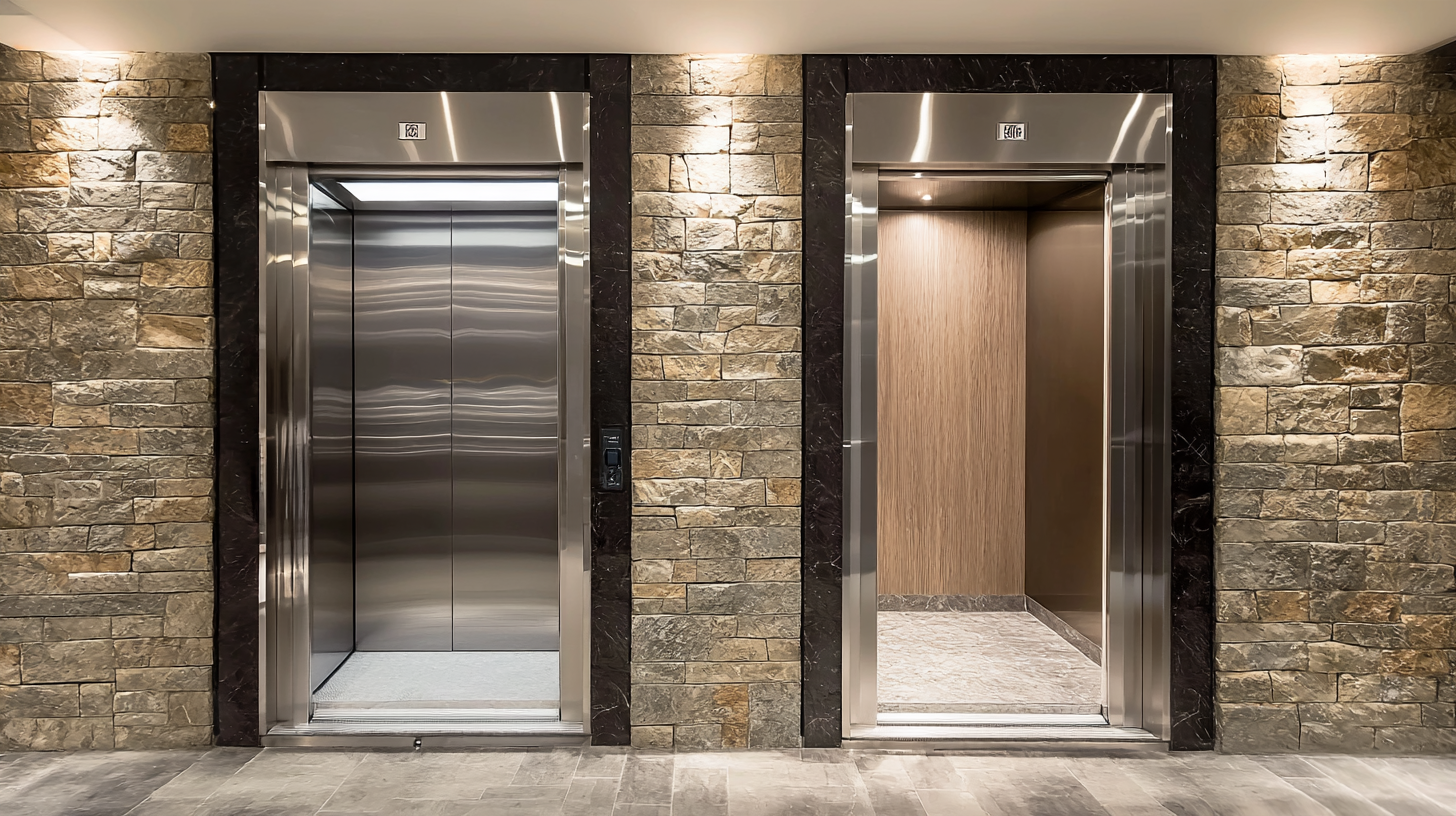
Why two lifts with the same rated load can have different prices
To understand what determines the price of a lift, it is not enough to compare rated load alone. The final configuration is influenced by the number of stops, speed, lift cabin dimensions, doors, drive, control system, finishes and additional functions.
Why rated load alone is not enough for comparison
Lift load capacity defines only one parameter of the equipment. Two lifts with the same rated load may be designed for different buildings, shafts and operating conditions. The complete technical configuration therefore needs to be compared.
Number of floors
The number of stops affects the equipment configuration and how the lift operates. This is why offers for buildings with different numbers of floors cannot be compared only by rated load. Euroformat takes the number of stops into account when technically selecting equipment for a specific project.
Speed
Speed is a separate technical parameter linked to the equipment configuration. It should not be selected independently from the characteristics of the building and the expected operating conditions. When comparing offers, it is important to make sure that the same speed requirements are used.
Lift cabin dimensions
The same rated load does not automatically mean the same lift cabin dimensions or configuration. Cabin parameters need to be coordinated with the shaft, door openings and project requirements. Euroformat works with these initial parameters when selecting equipment.
Doors
The technical solution is also influenced by the door parameters and their position. If two offers include different door configurations, comparing only the total price will no longer be fully accurate. The technical requirements should first be brought to the same basis.
Drive
The drive forms part of the overall lift configuration and is selected according to the technical solution. It should be assessed together with the other characteristics rather than treated as a separate pricing factor. Euroformat determines the specific solution from the project data.
Control system
The control system determines the operating logic and required functionality of the equipment. When comparing offers, it is therefore important to check whether the same functional requirements are included in each configuration. Otherwise, two offers that appear similar in their basic parameters may actually describe different equipment.
Finishes
The materials and lift cabin design form part of the equipment configuration. Finishing options can vary depending on the requirements of the specific project. Their exact impact on price can only be determined after a particular finish has been selected.
Additional functions
Additional functional requirements should also be defined before offers are compared. If a particular function is included in one quotation but not another, the initial prices do not represent the same equipment scope. A detailed specification makes the real difference easier to understand.
How to compare offers correctly
Prepare the same parameter table for every proposal: speed, number of stops, lift cabin and door dimensions, drive, control system, finishes and functions. Only compare offers with the same scope. Otherwise, you are comparing different lifts using a single price figure. Euroformat uses the building and shaft parameters to select a specific configuration, while its questionnaire helps structure the project requirements. For the customer, this means receiving a proposal linked to the actual building rather than only to the rated load designation.
What affects the price
| Parameter | How it affects the solution |
|---|---|
| Number of stops | Changes the equipment configuration |
| Speed | Affects the technical specification |
| Lift cabin dimensions | Linked to the overall configuration |
| Door type | Included in the equipment specification |
| Finishes | Define the lift cabin design |
| Control system | Determines functionality |
When to contact the manufacturer
It is worth contacting Euroformat once the main building parameters have been defined but before the equipment configuration is finally approved. The manufacturer can review the initial data and connect the project requirements with a specific technical solution. This gives the customer a more reliable basis for comparing offers.
Frequently asked questions
Why can a 630 kg lift have different prices?
The 630 kg designation describes the rated load but not the complete equipment configuration. The number of stops, speed, lift cabin and door parameters, finishes and functionality may all differ. The technical content of each proposal therefore needs to be compared.
Does speed affect the price?
Speed is linked to the technical configuration of the equipment, so it needs to be considered when preparing the proposal. However, there is no universal surcharge that can be applied to every increase in speed. The impact can only be assessed for a specific configuration.
How much do finishes add to the price?
There is no single figure because the impact depends on the selected lift cabin design. Different materials and finishing elements create different configurations. The exact effect on price is determined after a specific option has been agreed.
Does the number of stops affect the price?
Yes. The number of stops is one of the parameters considered when configuring the lift. Changing the number of stops changes the technical requirements for the equipment. Offers with different numbers of stops should therefore not be compared only by price.
What information is needed for a quotation?
Initial data on the building, shaft and required equipment characteristics is needed. Euroformat provides a questionnaire to help structure the parameters required for technical selection. A configuration for the specific project can then be prepared on the basis of this information.
Conclusion
The same rated load does not make two lifts identical. The number of stops, speed, lift cabin, doors, drive, control system, finishes and functionality all need to be compared. Working with Euroformat during the selection stage helps develop a configuration based on the parameters of the specific building and provides a more accurate basis for assessing the proposal.