


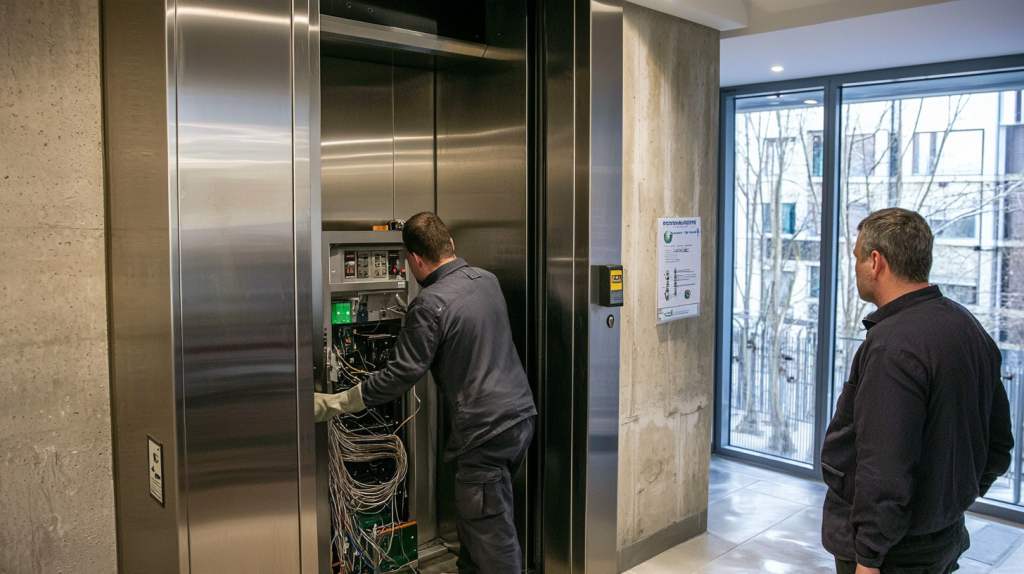
Why the cheapest lift offer can become the most expensive after the building is commissioned
The lowest purchase price does not necessarily mean the lowest long-term cost. Lift price and operating costs depend on the configuration, maintenance conditions, repairs, spare parts availability and other parameters of the specific equipment.
Why the purchase price is only part of the cost
A lift continues to operate long after construction is completed, so comparing offers only by their initial price is not enough. The customer needs to understand not only how much the equipment costs, but also exactly what is included and how ongoing technical support will be organised.
What may be missing from a low-cost commercial proposal
The same equipment description does not necessarily mean the same scope of supply. The configuration, scope of work, documentation, warranty terms and ongoing support should all be compared. Otherwise, a lower initial price may simply reflect a different scope of supply.
Maintenance costs
Maintenance is part of the lift’s life cycle, so the terms should be clarified before purchase. Euroformat has a dedicated service and spare parts division covering diagnostics, repairs and component selection.
Spare parts and delivery times
Rare components may take weeks to arrive, and residents may have to use the stairs throughout that period. Spare parts availability can be just as important as their price. It is worth finding out in advance which components are used and how their supply is organised. Euroformat selects spare parts according to the technical characteristics of the equipment and the requirements of the repair or maintenance work.
How repair frequency affects the total cost
Every repair involves more than replacing or restoring a component – diagnostics and labour are also required. When comparing offers, it therefore makes sense to assess not an abstract “cheap lift”, but the equipment together with the options available for its ongoing technical support.
Lift downtime as a hidden cost
A lift that is out of service means complaints from residents and additional work for the building management company. This may not appear in the initial budget, but everyone in the building feels the impact. Lift faults affect the usability of the building even when the consequences are difficult to express immediately in monetary terms.
This is particularly important for residential developments and buildings with regular passenger flow. A clear procedure for diagnostics, repairs and spare parts selection should be checked before the lift is ordered.
Energy consumption
A lift operates every day, so the efficiency of the drive and lighting contributes to electricity costs over time. Energy consumption can therefore be one of the parameters used to assess equipment throughout its operating life.
It should be compared using the technical data for specific configurations rather than general characteristics of a brand or lift category.
How to compare offers correctly
Compare offers against the same technical specification. Assess the equipment scope, work included, documentation, warranty terms, maintenance conditions and spare parts availability separately. This makes it easier to understand what is actually behind the price difference between two offers.
What to assess besides price
Look at warranty periods, service conditions, spare parts availability, the manufacturer’s experience with similar projects and response times. For a lift for a new-build development, these issues should be considered together with the shaft parameters, number of stops and expected usage scenario.
How Euroformat develops the configuration for a specific project
Euroformat does not sell lifts simply “off the shelf”. The company reviews the technical specification, number of floors and expected intensity of use, then selects passenger lifts according to the purpose of the building, passenger flow, shaft parameters, number of stops and traffic pattern. Only then is a configuration proposed with a clearly defined scope of work, warranty and maintenance conditions.
For the developer, this means a more transparent budget with fewer surprises after handover. For the customer, it means working with a partner responsible for the complete solution: Euroformat also provides diagnostics, repairs and spare parts support rather than limiting its role to equipment supply.
What can make a cheap offer more expensive
| Situation | Risk | What to check |
|---|---|---|
| Low initial price | Different scope of supply | Configuration and work included |
| Spare parts | More complicated future repairs | Component availability |
| Repairs | Additional costs | Technical support conditions |
| Energy consumption | Operating expenses | Data for the specific equipment |
| No support | More difficult fault resolution | Service and warranty terms |
When to contact the manufacturer
Before signing a contract, it is worth providing the manufacturer with the technical specification and requesting a detailed breakdown of the proposed solution. Euroformat uses a questionnaire for this purpose, and its specialists select the configuration according to the parameters of the specific project.
Frequently asked questions
Why can a cheap lift be more expensive to operate?
The initial price reflects only part of the costs associated with a lift. Once the building is commissioned, the equipment requires maintenance and, when necessary, diagnostics, repairs and spare parts. Offers should therefore be assessed not only by purchase price but also by the conditions of future operation and support.
What should be included in a commercial proposal?
A commercial proposal should make it clear to the customer what equipment and scope of work are included. The configuration, technical parameters, documentation, warranty terms and ongoing maintenance conditions should all be specified. Different suppliers can only be compared properly when they are responding to the same technical specification.
How can future spare parts costs be assessed?
It is worth finding out which components are used in the equipment and how spare parts are selected and supplied for repairs and maintenance. Predicting exact future costs without knowing the operating conditions is not realistic. Before purchase, it is therefore more important to assess the availability of technical support and the process for working with spare parts.
Does the configuration affect maintenance costs?
Different equipment configurations may include different components and require different maintenance procedures. Their impact should be assessed from the specific technical proposal rather than from the model or manufacturer name alone. This is why the configuration should be agreed according to the building parameters and intended operating scenario.
How should offers from different manufacturers be compared?
First, prepare the same technical specification for every supplier. Then compare the configuration, scope of work, technical documentation, warranty terms, maintenance capabilities and spare parts support. This approach shows what is actually behind the difference in initial price.
Conclusion
The cheapest offer is not necessarily a poor choice, just as a more expensive offer does not automatically mean a better solution. The customer’s task is to compare an equivalent scope of equipment, work and ongoing support.
Euroformat supports this process from technical equipment selection through commissioning and subsequent warranty and service support.