


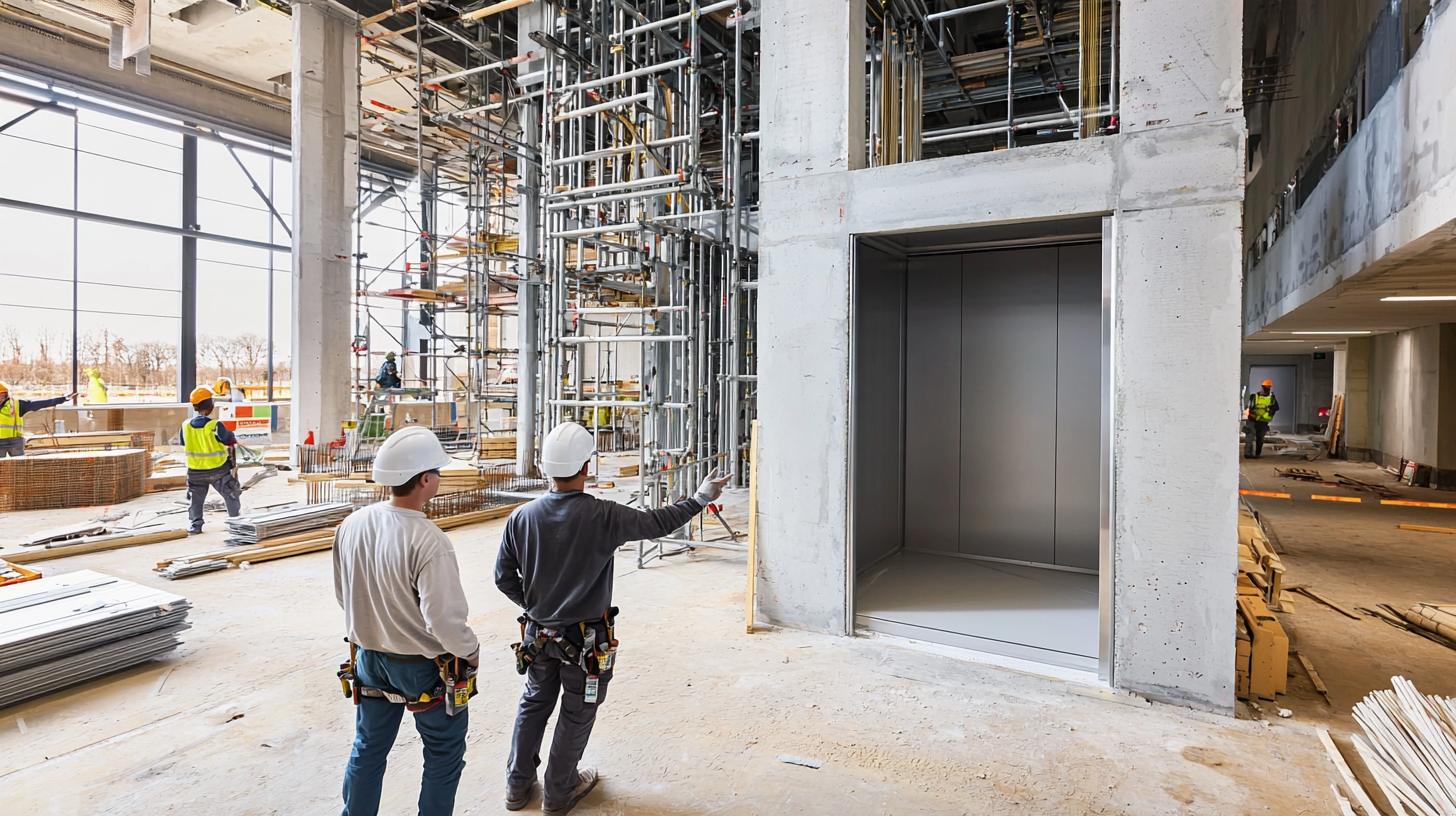
Ordering a lift too late: how it affects the construction schedule
When deciding when to order a lift for a construction project, it is important to consider more than just the installation date. Before installation, the equipment parameters and drawings need to be agreed, the shaft must be ready, and production and delivery must be organised. Ordering too late can affect the sequence of work on site.
When to start working with the manufacturer
Ideally, the manufacturer should be involved during the design stage, while the shaft can still be coordinated with the equipment without costly alterations. Every month of delay later has to be made up elsewhere in the programme.
Early involvement makes it possible to compare the building design with the parameters of the future lift and clarify the initial project data in good time. Euroformat works with developers, architects and main contractors, so technical lift selection can and should be integrated into project preparation.
What stages are involved in ordering a lift?
A lift goes through several stages: technical specification, approval of drawings, manufacture, delivery, installation and commissioning. None of these stages can simply be skipped or compressed without limits.
The exact sequence depends on the specific project. This is why the installation date should not be considered separately from all the stages that come before it.
How long do approvals take?
There is no universal approval period. It depends on how complete the initial data is and on the complexity of the project. Changes to the shaft parameters, doors or equipment configuration may require additional technical work.
The earlier the initial data is finalised, the easier it is to coordinate the subsequent stages.
How shaft readiness affects installation
Before installation begins, the actual shaft parameters must correspond to the agreed technical solution. Key dimensions include the shaft size, pit, top-floor headroom and door openings.
If the building works differ from the approved project, the issue needs to be reviewed technically before installation starts.
What happens when the construction schedule shifts?
If shaft readiness or related works are delayed, the planned sequence of subsequent stages may also need to be revised. Developers should therefore keep the manufacturer informed about the current construction schedule.
This is particularly important for a lift for a new-build development, where several contractors may be working on the project at the same time.
Which works may depend on lift installation?
The relationship between different works depends on the specific project. The developer should identify in advance which building and finishing works are linked to shaft readiness and the lift installation area.
This helps avoid scheduling incompatible activities for the same period.
How to avoid downtime on site
The main principle is to synchronise equipment readiness with the readiness of the building works. If one party is waiting for another to complete its part, the programme becomes harder to control.
Regular status updates between the developer and manufacturer help both sides respond to changes before they create delays.
What should be agreed in advance?
The technical parameters, equipment configuration, production and delivery schedule, site access conditions and the procedure for handing over the shaft for installation should all be agreed in advance.
It is better to record these points in writing. This helps translate the developer’s requirements into specific equipment parameters.
How to coordinate the manufacturer and developer
Both parties need up-to-date information. The manufacturer needs accurate data on the project parameters and site readiness, while the developer needs visibility of the equipment programme and current stage of work.
Technical changes should be communicated before they affect the agreed solution. Euroformat supports projects through the design, manufacturing, delivery and technical support stages.
How Euroformat plans the project schedule
Euroformat treats the lift order as part of the overall construction programme rather than as a separate equipment delivery. The company’s specialists help break the process down into stages, identify when drawings and shaft readiness are required, and coordinate these milestones with the actual progress of construction.
For the developer, this means a more predictable process, fewer periods of downtime, fewer urgent decisions and a clearer understanding of when the lift can be commissioned. If the construction schedule changes, Euroformat can also help revise the implementation plan rather than leaving the developer to deal with the consequences alone.
Checklist: what needs to be synchronised
- approval of technical parameters;
- completion of drawings;
- equipment manufacture;
- shaft preparation;
- delivery to site;
- installation;
- commissioning;
- related building works.
When to contact the manufacturer
The manufacturer should ideally be contacted before the shaft construction is completed and well before the planned installation date. Early involvement of Euroformat allows the initial data to be reviewed and the equipment to be coordinated with the project parameters before work moves on to the next stages.
Frequently asked questions
How long does it take to manufacture a lift?
There is no single manufacturing period for every order, because the schedule depends on the parameters of the specific project and the approved configuration. The exact lead time should not be estimated from general information about the equipment category. It should be confirmed with the manufacturer for the specific order.
When should the contract be signed?
The contract should be planned in line with the construction schedule and the time required for the preceding technical stages. Ideally, sufficient initial data should already be available to define the equipment configuration. The exact date should be agreed with the manufacturer according to the project programme.
Can a lift be ordered before the shaft is completed?
Yes. It is usually advisable to start working with the manufacturer before the shaft is fully completed, provided that the necessary project data is already available. This allows the equipment configuration to be developed in parallel with the construction process.
Before installation, the actual shaft parameters should be checked and compared with the approved solution.
What most often delays lift installation?
The schedule may be affected by incomplete building works, changes to the initial data or the need for additional approvals. The exact causes vary from project to project, so there is no single universal reason.
The risks should be assessed based on the actual condition of the shaft, documentation and related works.
How do project changes affect the schedule?
If changes affect parameters connected with the lift equipment, additional technical work may be required. The impact on the programme depends on the nature of the change and the stage at which it is introduced.
Updated documentation should therefore be provided to the manufacturer as early as possible.
Conclusion
Ordering a lift too late reduces the time available for technical approvals and coordination of works. Developers should plan not only the installation date, but the complete sequence from initial project data through to shaft readiness.
Involving Euroformat at an early stage helps link the technical selection of the equipment with the actual construction schedule.